Naturally, I'd be delighted to assist you in organizing a virtual Taj Mahal Tour! While I am unable to transport you there, I can give you a thorough explanation of the spectacular monument, its background, and some fascinating details.
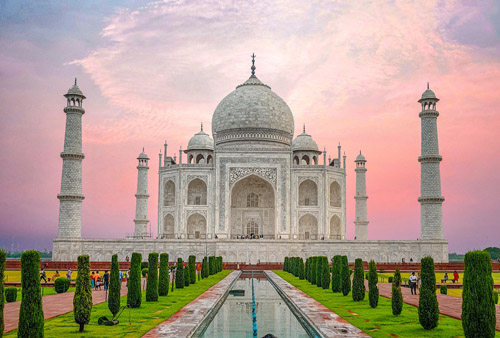
Taj Mahal Overview:
The Taj Mahal is an iconic white marble mausoleum located in Agra, India. It was built by the Mughal Emperor Shah Jahan in memory of his beloved wife Mumtaz Mahal, who passed away during childbirth in 1631.

The construction of the Taj Mahal began in 1632 and was completed in 1653. It is widely regarded as one of the most beautiful and architecturally stunning buildings in the world.
Architectural Features:
- The Taj Mahal is renowned for its symmetrical design and its use of white marble and intricate inlay work. The main building consists of a central dome flanked by four smaller domes, creating a visually pleasing composition.

- The main entrance is through the imposing red sandstone gateway, known as the "Darwaza-i Rauza." It frames the view of the Taj Mahal from a distance, enhancing its grandeur.
Gardens and Layout:
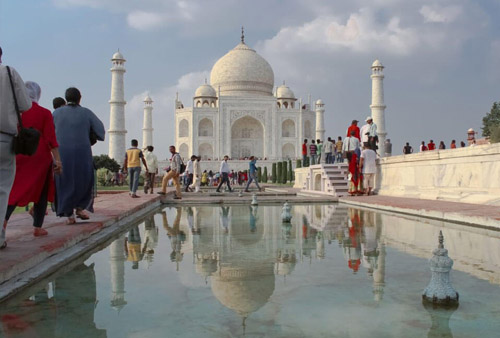
- The Taj Mahal is set within a large formal garden known as the Charbagh, divided into four quadrants by waterways and pathways. The garden is designed to symbolize the Islamic concept of paradise and is a common feature in Mughal architecture.

- The central water channel reflects the image of the Taj Mahal, creating a beautiful mirrored effect. The garden's layout is perfectly aligned with the central axis of the main building.
Interior:
- The interior of the Taj Mahal contains the tombs of Shah Jahan and Mumtaz Mahal. Their cenotaphs (ornamental tombs) are located directly below the central dome in the main chamber.
- The actual graves are in a lower level chamber, a feature of Mughal mausoleums.
Interesting Facts:
- The white marble of the Taj Mahal changes color depending on the time of day and the lighting conditions. It can appear pinkish in the morning, milky white during the day, and golden in the moonlight.
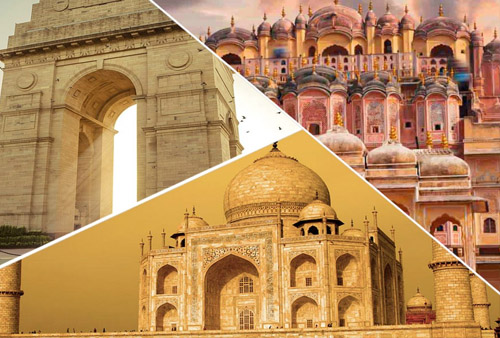
- The intricate inlay work on the marble is known as "pietra dura." It involves carving delicate patterns into the marble and then filling them with precious and semi-precious stones like lapis lazuli, turquoise, and coral.

- The construction of the Taj Mahal employed thousands of skilled craftsmen, laborers, and artisans from various parts of the Mughal Empire and beyond.
- UNESCO designated the Taj Mahal as a World Heritage Site in 1983, recognizing its cultural and historical significance.
Remember, this is just a virtual private Taj Mahal tour experience. If you ever have the chance to visit the Taj Mahal in person, you'll be able to experience its grandeur and beauty firsthand.

No comments:
Post a Comment